
Simple Swaps to Reduce Fat Storage Without Dieting
Weight management doesn’t always require a strict diet or intense calorie counting. In fact, small changes in your daily food choices can have a noticeable impact on how your body stores fat, without making you feel deprived. These simple swaps don’t ask for a total lifestyle overhaul. Instead, they encourage more mindful eating habits that help reduce unnecessary fat storage over time. Curious if certain foods play a bigger role than you think? Let’s explore easy food swaps that can naturally support fat reduction while keeping your meals enjoyable.
Trade Processed Carbs for Whole-Food Alternatives
Refined carbs such as pasta, white bread, pastries, and chips may taste satisfying, but they digest quickly and leave you feeling hungry soon after. More importantly, they spike insulin levels, which promotes fat storage, especially around the midsection. You can make a big difference by swapping white carbs for whole-food versions like quinoa, brown rice, oats, or sweet potatoes. However, do these foods really help with weight loss? The answer is, fortunately, yes. These alternatives break down more slowly, offer fiber to aid digestion, and provide a steadier release of energy throughout the day. The blood sugar and waistline will thank you.
Swap Sugary Drinks for Infused Water or Herbal Tea
One of the most effortless ways to cut fat-storing calories is by removing sugary beverages from your daily routine. Sodas, bottled juices, energy drinks, and even sweetened coffee can contain more sugar than you realize. These liquid calories cause blood sugar spikes, which often trigger the body to store excess energy as fat. Instead, reach for infused water with lemon, mint, or cucumber, or enjoy unsweetened herbal teas. These options keep you hydrated and satisfied without feeding unnecessary sugar into your system. Over time, you may notice a reduction in cravings and bloating—two common roadblocks to fat loss.
Replace Creamy Dressings With Light Vinaigrettes or Avocado
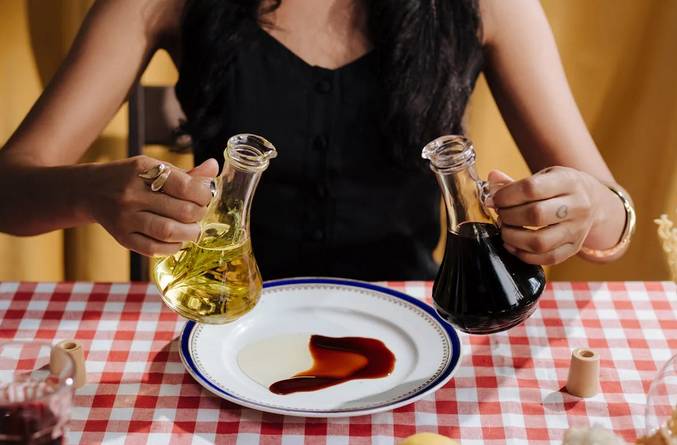
Salads can be deceivingly high in fat if you’re pouring on heavy dressings like ranch, Caesar, or Thousand Island. Just two tablespoons can pack over 150 calories, much of which comes from refined oils and added sugars. Instead, consider a vinaigrette made with olive oil and vinegar or mash half an avocado into your salad for creaminess and healthy fats. These alternatives give you flavor and satisfaction without the fat-storing properties of processed dressings.
Swap the Side of Fries for Extra Protein or Vegetables
Restaurant meals often come with fries, chips, or buttery bread on the side. While these are filling, they don’t add much nutritional value and contribute heavily to calorie overload. Ask to replace those sides with grilled veggies, a small salad, or an extra serving of lean protein like chicken or tofu. Protein helps to keep you full longer and prevent muscle loss—important for maintaining a healthy metabolism. And veggies? They’re naturally low in calories while offering the fiber your body needs for proper digestion and appetite control.
Choose Fresh Fruit Over Sugary Desserts

Ending your meal with a sugary dessert might satisfy your sweet tooth, but it often results in a crash and unnecessary calorie intake. Cakes, cookies, and ice cream are dense in sugar and saturated fat, both of which are associated with increased fat accumulation, especially when eaten at night. For a satisfying swap, go for fruit like sliced apples, berries or a banana with a sprinkle of cinnamon. These offer natural sweetness and nutrients without driving up your blood sugar. You can even blend them into a smoothie with a touch of Greek yogurt for a creamy treat.
Reducing fat storage doesn’t require drastic measures or complete restriction. These five food swaps prove that making small, consistent changes in eating habits can lead to meaningful results over time. By replacing high-calorie, low-nutrient items with more supportive alternatives, you’ll find it easier to stay satisfied while making progress. With a bit of awareness and intention, you can enjoy your meals and feel good about the choices you’re making—no dieting required.…